Hi, How Can We Help You?
  • Newroad-9, Pokhara, Nepal
  • info@niceintl.edu.np
  • +977-61-543198

Author Archives: superadmin

June 7, 2026

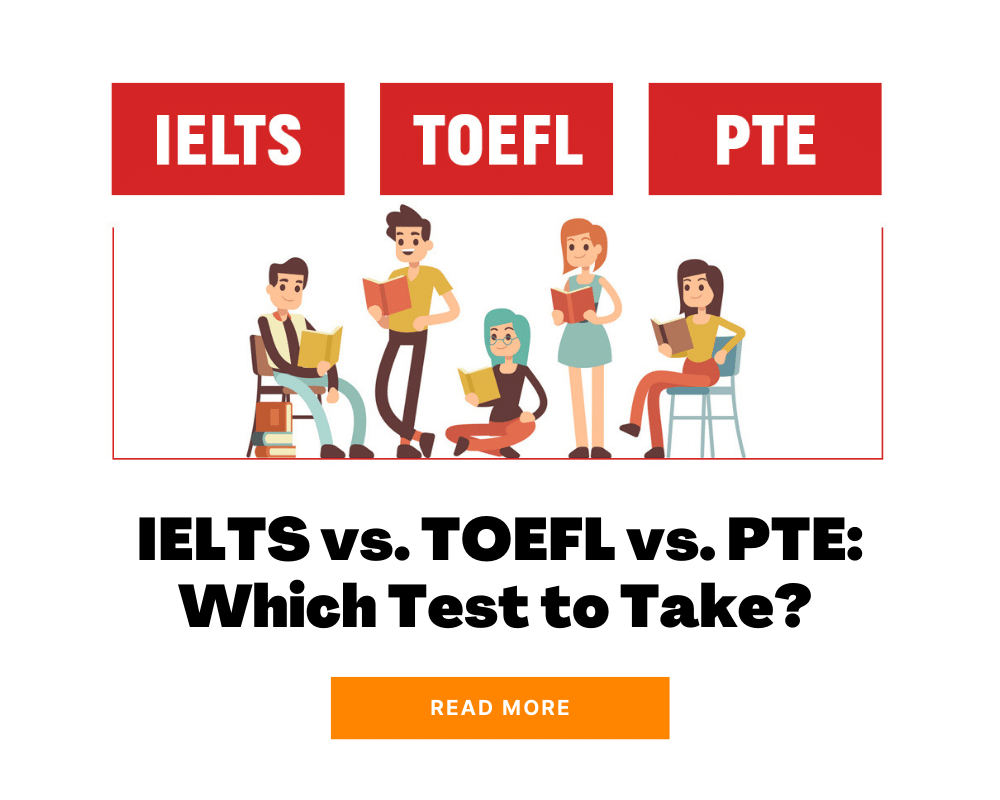
IELTS Vs. TOEFL Vs. PTE – Which Test is Best For You?

Exploring the globe for school? That nifty English test score of yours? Yeah, it could be your golden pass to some top-notch academies and wild chances. So we’ve got these big-name tests, right? IELTS, TOEFL, and PTE are all staring you down, making you ask, “Yo, which one’s my jam?” Well, it all boils down to what you’re gunnin’ for where you shine, and what you dig. Let’s slice and dice this thing to give you the skinny so you can choose like a boss.

Getting the Lowdown

IELTSThe British Council IDP, and Cambridge run IELTS together. People all over the planet use it for school and moving to new countries. You’ve got two flavors: Academic, if you’re aiming for higher studies, and General Training, if you’re looking to work or settle somewhere else. The stuff they test you on includes listening, getting what you read, putting words on paper, and chatting. Oh, and there’s a one-on-one chat in the speaking part, which isn’t something you see much in other tests for how well you use English.
TOEFLThe company behind TOEFL is ETS short for Educational Testing Service. If you want to get into a place in North America for study, they usually dig the TOEFL more. It’s a test you take on a computer (they call it TOEFL iBT), which checks out how good you are at listening, reading, scribbling down words, and speaking. This one’s big on the kind of English you’d need at university or in a fancy job.
PTEThis test is all about the Pearson Test of English, runs on computers and taps into AI to score. It’s making waves for folks looking to study or move in spots like Australia and New Zealand, thanks to its fast feedback. The PTE mixes up knowing your book-learned English with how you’d use it out there in the real world.

IELTS Coaching in Jaipur Vaishali Nagar

Key Differences

1. How the Test Looks

IELTS FormatThis one’s got options – you can take it on paper or on a computer. When it comes to talking, you get to have a real sit-down chat with someone checking your skills. Some people think that’s a nice touch, a bit more friendly and engaging, you know?
IELTS Time Needed2 hours and 45 minutes.

The TOEFL is all on computers. You gotta speak into a mic for the Speaking part, and they record what you say. Then people and AI check it out. It takes about 3 hours.

PTE’s also all done on computers, and AI does all the grading. Speaking and Writing kinda go together, and they record everything you say and write. No humans grade it. This one’s about 3 hours too.

2. How They Score Stuff

IELTS uses a band system that goes from 0 to 9. They give you a band score for each part, and then they average those four bands for your final score.

The TOEFL provides a total score of 120 broken down into 30 points for each skill area, and offers detailed responses about your abilities in each.

The PTE might give you up to 90 points, and it digs deep into how well you communicate. It checks stuff like how good your grammar is, the way you pronounce words, and how smooth you talk.

For the IELTS, you’re looking at how well you can handle English in day-to-day situations. You’ll need to get the hang of conversations and know-how to pen down letters. When it’s time to talk, it’s like a normal chat.

The TOEFL, on the other hand, gets you into the academic side of English. You’ve got to jot down notes and understand talks that are more like what you’d hear at a college, with some pretty deep readings and group chats.

PTE packs both academic and everyday English content stressing quick and accurate reactions across diverse question types.

Picking the Best Test for You

1. Choosing Based on Destination

IELTS, a big hit in the UK, Australia, New Zealand, and Canada, is also gaining ground in the U.S. education scene.

TOEFL, the go-to for many U.S. academic spots, enjoys global recognition from schools all over.

PTE is climbing the ranks in Australia and New Zealand, with global acceptance on the rise.

2. Know Your Strengths and Cozy Zones

  • Talking: Prefer face-to-face chats? IELTS might be your jam.
  • Talking: Rather speak to a computer? TOEFL and PTE might suit you better.
  • Scribbling: Into more clear-cut stuff, like writing essays or letters? Pick IELTS.
  • Scribbling: Keen on typing and juggling tasks where you gotta speak and write at once? TOEFL and PTE should be up your alley.

Scanning Texts and Catching Sounds:

IELTS Content FocusDishes out down-to-earth articles and chats that sound legit.
TOEFL Content FocusPacked with academic stuff like what you find at universities.
PTE Content FocusHas tons of quick tasks to juggle testing multitasking skills.

Dishing Out Dough

When it comes to spending cash on these tests, it depends on where you’re from. But here’s the deal:

IELTS CostYou’re shelling out about $215-$250.
TOEFL CostYou’re looking at $180-$235.
PTE CostIt’s gonna cost ya $200-$250.

Not a huge gap in price, right? But hey keep in mind, there might be extra charges if you’ve gotta reschedule, bail on it, or shoot your scores off to a bunch of places.

When Do You Get the Goods?

IELTS ResultsYou’ll get your computer test scores in 5-7 days, but the paper ones take 13 days.
TOEFL ResultsYou can peek at your scores in 4-8 days.
PTE ResultsSuper quick score delivery, you’ll see them in about 48 hours.

If you’re in a rush, PTE could be the way to go with its speedy score release.

Why Pick IELTS?

Face-to-Face Chat: If you’re good at chatting in person, the Speaking section’s one-on-one setup is pretty cool.

World-Wide High-Fives: Over 11,000 places around the globe, including big-deal schools and immigration offices, give the thumbs up to IELTS.

Choice in Training: You get Academic and General Training options to meet various aims.

Picking TOEFL? Here’s Why

Focus on Academic English: It’s perfect if you’re aiming for U.S. colleges or scholarly settings.

Skills Integration: Gets you ready for university-type lectures and academic chores.

In-depth Feedback: It tells you what you’re good at and where you need work in every part.

Why Go for PTE?

  1. AI-Driven Marks: Gives fair and sharp marks cutting out the chance of human bias.
  2. Quick Outcomes: Ideal if you’re short on time, with outcomes often ready within two days.
  3. Rising Fame: It’s super popular in Australia and New Zealand and a bunch of places worldwide are starting to get on board too.

Usual Hurdles and Hints

IELTS:

Problem: It’s tough to keep an eye on the clock in the Reading bit.

Hint: Work on quick read and search tactics to spot answers fast and without a sweat.

TOEFL:

Problem: Jotting down stuff while Listening can really stress you out.

Suggestion: Get good at quick writing. Aim to jot down the main points, not every single word.

PTE:

Obstacle: Keeping up with the swift and combined tasks.

Advice: Get to know how the test works by doing practice versions and learning how to manage your time.

Deciding what test to take hinges on how cozy you are with the test style where you’re aiming to study or move, and your prep time. Are you a champ at one-on-one chats? IELTS could be your gig. Dig the academic scene or a fan of clicking away on a test? TOEFL could be up your alley. Running against the clock or dig the idea of an unbiased AI marking your papers? You might wanna think about PTE.

Conclusion

Every test rocks in its own way and meets various needs. Dig into the criteria your chosen schools want, check out your own talents, and pick the one that fits snug with what you’re aiming for. Keep in mind, the score you get on the test is just a part of the adventure to studying abroad—getting ready and being sure of yourself are super important for nailing it!
June 7, 2026

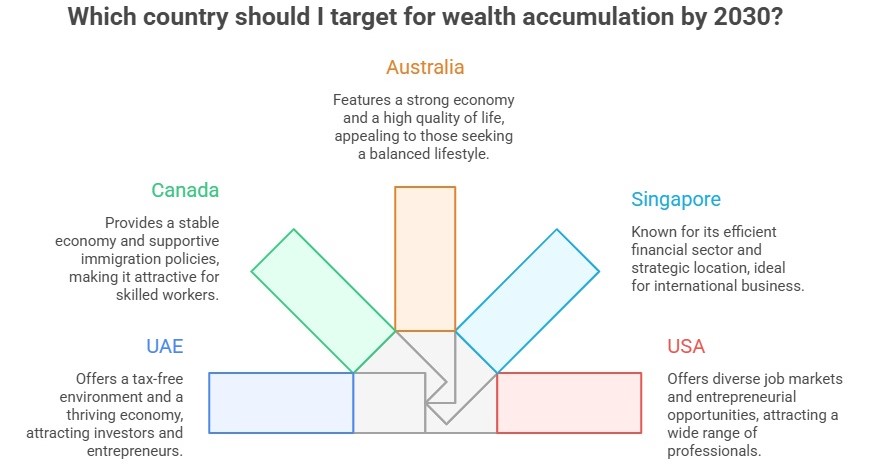
Countries like the UAE, Canada, Australia, Singapore and EU nations like Germany, Ireland and UK offer diverse opportunities to become a millionaire faster. If you are an Indian professional wanting to cross the ₹8 crore (USD 1 million) mark faster, these countries offer high-value work opportunities abroad via streamlined immigration pathways. Canada, Australia, the USA, Singapore, and the Gulf nations are actively creating millionaires among Indian immigrants much faster compared to other destinations abroad. The UAE offers zero income tax and a 10-year Golden Visa while Canada creates fast-track PR pathways with strong social support, and Australia is the #1 destination for incoming millionaires globally. Additionally, Singapore is regarded as Asia’s financial capital, creating more millionaires per capita than almost any other nation worldwide.

5 Fastest Countries for Indians to Become a Millionaire by 2030

These five countries offer Indians the best combination of high salaries, low taxes, business-friendly laws, and clear visa pathways. From salaried professionals to startup founders, real estate investors, and other business professionals, destinations like Canada, Australia, and others have a proven track record of creating Indian millionaires in 5 to 12 years or less.
Countries offering opportunities to become a millionaire faster abroad

The table below highlights the top 5 countries with millionaire prospects for Indians, along with job options, business framework, and tentative success timeline:

Country How to Become a Millionaire High Paying Jobs Business Options Visa Pathway Timeline Millionaire Growth Potential by 2030
UAE Zero income tax, property investment, and freezone business setup AI and Cloud Computing, Finance, Healthcare, Construction Freezone business, Real estate, E-commerce Employment Visa → Golden Visa 5–8 years ~15% projected growth
EU Nations (Germany & Ireland) High salaries, long term PR, and investment opportunities IT, Engineering, Pharma, Finance, Data Science Tech startups, Consulting, Small business investments EU Blue Card → PR → Citizenship 7–10 years Strong millionaire growth across Europe
Canada Salary growth, property appreciation, and pension investments IT, Engineering, Healthcare, Finance Franchises, Real estate, Corporation setup Express EntryCanada PR → Citizenship 7–10 years ~8% annual millionaire growth
Australia High wages, superannuation savings, and real estate growth Nursing, Engineering, IT, Education Business Innovation pathways, Property investment Skilled Visa → Australia PR → Citizenship 6–9 years Among the top destinations for new millionaires
Singapore High income, investments, and wealth management opportunities FinTech, AI, Banking, Consulting EntrePass, Investment firms, Startups Employment Pass → PR → Citizenship 5–7 years ~12% millionaire population growth


June 7, 2026

Post-graduation work permits (PGWPs) are open work permits granted to international students who have completed a Canadian educational program. These permits allow graduates to work for any employer across Canada. This is without restrictions on hours.

PGWPs are issued for a duration between eight months and three years. It provides an excellent opportunity to acquire Canadian work experience. This experience can be a key factor in pursuing permanent residency in Canada.

What is Canada PGWP?

Post-Graduation Work Permits (PGWPs) are available to international students who have completed their studies at a Designated Learning Institution (DLI) in Canada. These permits are classified as open work permits. It allows graduates to work for any employer across Canada without location or job type restrictions.

You could qualify for a Post-Graduation Work Permit (PGWP) if you’ve completed your studies at a designated learning institution (DLI) in Canada. Also, you wish to remain temporarily to work. However, graduating from a DLI does not guarantee eligibility for a PGWP.

Who is Eligible for Canada PGWP?

To be eligible for a Post-Graduation Work Permit (PGWP), you must:

  • Be at least 18 years old.
  • Have studied full-time in Canada for at least 8 months.
  • Have completed your program at a Designated Learning Institution (DLI).
  • Apply within 180 days after finishing your studies.

Note: If applying from within Canada, you must have a valid status. If your study permit is expiring, you can apply for visitor status before applying for the PGWP. If you apply before your study permit expires, you can start working full-time while your PGWP is being processed. You can also apply for a PGWP from outside Canada.